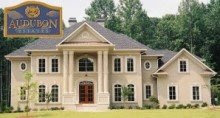
You are celebrating the contract that you just signed and your signing bonus is burning a hole in your pocket. You’ve decided that you want to build a new house, renting just isn’t the same as owning.
There is no such thing as a standard builder’s contract. This is not a player’s contract where all your agent has to do is negotiate salary amounts, bonuses and incentives. While builder’s contracts vary from state to state, they always are drafted to protect the builder and not you. You have hired an agent to get you the best deal with your team, you have financial advisors looking after your investments, you have doctors and trainers caring for your body; make sure that you have an attorney, not necessarily your agent and or manager, but an attorney who specializes in real estate negotiate your purchase contract before you sign it.
There is no such thing as a standard builder’s contract. This is not a player’s contract where all your agent has to do is negotiate salary amounts, bonuses and incentives. While builder’s contracts vary from state to state, they always are drafted to protect the builder and not you. You have hired an agent to get you the best deal with your team, you have financial advisors looking after your investments, you have doctors and trainers caring for your body; make sure that you have an attorney, not necessarily your agent and or manager, but an attorney who specializes in real estate negotiate your purchase contract before you sign it.
Below are some items that you need to consider in your contract. Buying a new home is one of the biggest investments that you will make in your lifetime, make sure you protect yourself as much as you can.
Financing
Although you may not think it is necessary, consult with your bank or financial institution and have them pre-qualify you for a mortgage. This will help you determine how much you can afford to spend and still live comfortably. Most contracts don’t contain a contingency for financing which means that if you can’t qualify for a mortgage when the house is ready, you lose your deposit. While you probably can’t change this language in the contract, you can help yourself by understanding what it says.
Deposit
You want to keep your deposit as small as possible, preferably less than 10% of the purchase price. The builder is also going to want a deposit on your upgrades, try to keep that number to 25% or less. Make sure that whoever is holding the deposit has to keep the deposit in an escrow account, that you are earning interest, and that the builder cannot use the funds for construction. You don’t want to be financing the builder and have him go bankrupt with your money.
Inspections
Make sure the contract allows you to periodically inspect the home with your own contractor or building professional to ensure that the builder is doing a good job and constructing a solid house. I would inspect the wiring, plumbing, air conditioning ducts, and the insulation before the contractor seals them in with the drywall. This will give you an opportunity to get the builder to make some of the repairs before the house is completed.
Once the house is completed you should have a final opportunity to inspect the house and provide the builder with a punch-list of items that need to be corrected. It is very important that you carefully inspect the house because after closing you cannot to object to any item which you could have damaged moving in to the home. The contract should give the builder no more than thirty days to complete the repairs.
Default Provisions
What if you are traded or even worse released?
Make sure the contract provides that in the event that you default that the builder is limited to taking your deposit and cannot sue you for specific performance to make you complete the purchase or sue you for damages. You want to make sure that the worst-case scenario is you lose your deposit. Try and get the builder to make your contract assignable. That way if you can find someone to buy the house you will not forfeit your deposit.
Mirror Image and the Models
Keep in mind that model homes are professionally decorated, outfitted with the finest upgrades and presented to make the rooms look bigger and better than what it may look like when your home is built. The builder has the right to reverse the image of your house once it is built, that means the garage or the bedrooms may be flipped from the model. Have the contract provide that the builder must have the plans approved by you before construction can commence. Check the contract and identity what is standard and what is extra. Try and get the builder to throw in a few upgrades at no extra charge, if you don’t try, you never know.
Finally, do some research on the builder. Make sure that he has a good reputation and is experienced. Remember, once you sign the contract you are basically married to the builder until your home is built and your punch-list has been completed. Don’t let anyone tell you that the builder doesn’t negotiate the contract. Everything is negotiable. Remember that building a new home should be one of the most rewarding things you do in life.
AHB Custom Home Builders have completed many homes for sports and entertainment figures with happy results. We provide the support and expertise required to complete your home on schedule and on budget. We recognize the need for privacy and logistics that are usually required for your transaction.
For more information contact Diane Fudge 404-886-6716 or EMAIL.
Article Coutesy of Pro Athletes Only